The Raw Truth: Goldenbridge Horrors in Dear Daughter Revealed
The opening words of Louis Lentin's seminal 1996 documentary, "Dear Daughter," are a gut punch: "I wanted to find my parents and kill them." Spoken by Christine Buckley, these words immediately set a tone of profound pain and a desperate search for answers. This powerful film offers an unflinching look into the systemic abuse suffered by children, including the formidable Christine Buckley, at the Sisters of Mercy orphanage in Goldenbridge, Dublin, during the late 1950s and early 1960s. It is a testament to the resilience of the human spirit and a critical piece of Irish social history, forever cementing the name
Dear Daughter Christine Buckley in the national consciousness.
The Unveiling of Goldenbridge: A Legacy of Cruelty and Control
Christine Buckley's journey into the heart of institutional neglect began almost at birth. The result of an affair between a married Dublin woman and a Nigerian student, Christine was given up for fostering at just three weeks old. After moving through several foster homes, she was sent to Goldenbridge at the tender age of four. This institution, run by the Sisters of Mercy, was meant to provide care; instead, it became a site of profound physical and mental torment for countless children.
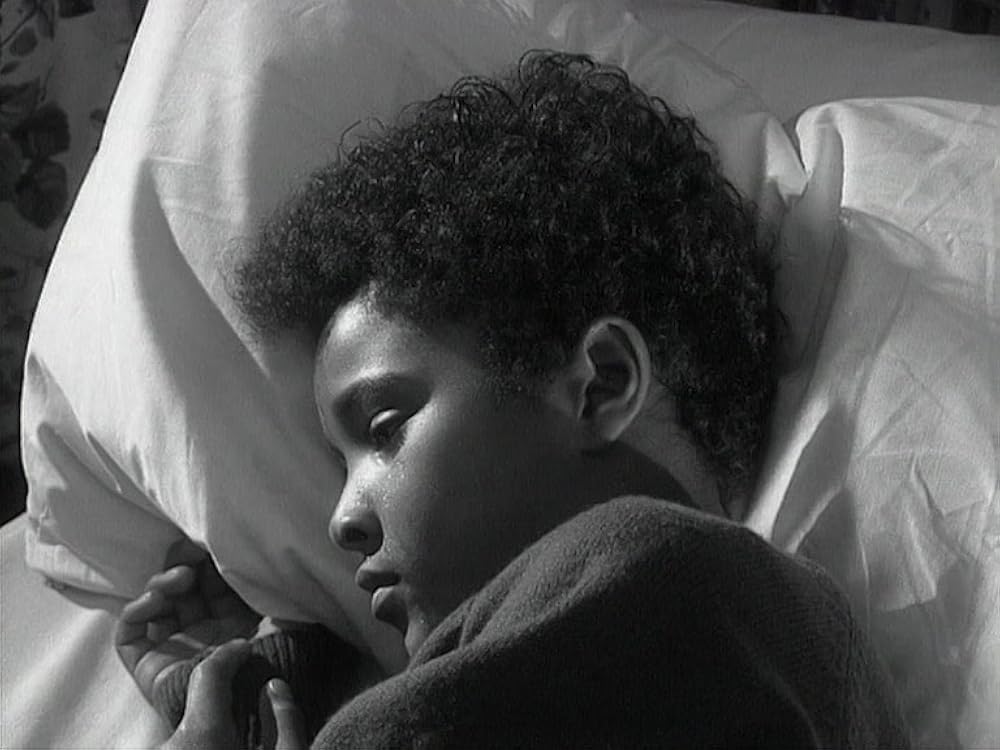
"Dear Daughter" bravely exposes the daily realities endured within those walls. Through powerful testimonies from Christine and other women, and evocative dramatizations, the documentary paints a harrowing picture. Children were subjected to routine beatings, scaldings, and cruel punishments. One particularly chilling account describes infants being strapped to potties for extended periods, a practice that speaks volumes about the dehumanizing environment. Another woman recalls breaking a statue of the Virgin Mary while playing; her punishment was to stand overnight in the exact pose of the damaged statue, a stark illustration of the psychological terror inflicted.
The children were also subjected to forced labor. One poignant scene shows the women, now adults, reenacting their childhood task of making rosary beads, recalling the immense pressure to meet a daily quota of sixty sets. This wasn't merely busywork; it was a form of exploitation, stripping children of their play and innocence, replacing it with the relentless demands of an industrial-like environment. The courage of these women to revisit such painful memories and share them with the world was instrumental in forcing a nation to confront a dark chapter of its past. The collective testimonies in "Dear Daughter" were not just personal stories; they were a vital catalyst for wider inquiries into institutional abuse across Ireland, demonstrating the profound impact of individual voices in revealing systemic injustices.
Beyond the Walls: Christine Buckley's Quest for Identity and Truth
Leaving Goldenbridge behind, Christine Buckley embarked on a life marked by determination. She pursued her education, completing her leaving certificate, and went on to study nursing in Drogheda. She married in 1977, building a life that, on the surface, seemed to move beyond her traumatic past. However, an illness in 1983 ignited an unyielding desire to uncover the truth about her parentage – a truth she had been denied her entire life. This quest forms the poignant second half of "Dear Daughter."
Christine's search for her birth mother was driven by a deep longing for connection, an idealized vision of reunion. When she finally traced her mother, the reality was a devastating blow. Her mother did not want to know her. Christine's hopes of coffee-sipping conversations and burgeoning friendship were shattered by a cold reality. "There was nothing about her I recognised," she reflected, the dream of a loving bond replaced by the harsh truth of rejection. This moment in the documentary is profoundly affecting, highlighting the complex and often painful realities faced by adopted individuals or those separated from their birth families. The longing for identity, connection, and belonging is universal, and its denial can inflict wounds as deep as any physical abuse.
The journey to find her parents was an emotional rollercoaster, one that many survivors of institutional care can relate to. To delve deeper into this aspect of her life, you might find valuable insights in our related article:
Christine Buckley: From Orphanage Abuse to Finding Her Father.
A Father's Letter and a Legacy of Advocacy
Despite the profound disappointment of her first reunion, Christine Buckley persevered. A year after meeting her mother, permission was granted for her father's name to be released. Another painstaking search led her to Nigeria, where her father had become a doctor. The letter she finally received from him, beginning with the tender words "Dear daughter," not only gave the documentary its powerful title but also offered a measure of solace and a connection she had yearned for her entire life. It was a moment of profound personal closure for Christine, a recognition of her very existence and lineage.
However, Christine Buckley's story did not end with her personal search. The experiences at Goldenbridge and her own quest for truth galvanized her into becoming a tireless advocate for others. She transformed her personal pain into a powerful force for social justice, campaigning relentlessly on behalf of survivors of institutional abuse across Ireland. Her unwavering dedication brought the issue of historical child abuse in religious-run institutions to the forefront of national discourse, challenging the State and religious orders to acknowledge their failings and provide redress.
Her advocacy played a crucial role in shaping public opinion and political action. In 1999, the then Taoiseach (Irish Prime Minister) Bertie Ahern delivered a landmark apology on behalf of the State to all those who had suffered in residential institutions as children. This apology, a direct result of the relentless campaigning by survivors like Christine Buckley, was a pivotal moment in Ireland's reckoning with its past, a testament to the power of truth-telling and persistent activism. Christine Buckley became a symbol of courage and a voice for the voiceless, continuing her fight until her passing in 2014 after a long battle with cancer. Her legacy is one of unwavering commitment to justice and healing.
The Enduring Impact of "Dear Daughter"
"Dear Daughter" is more than just a historical document; it is a profoundly moving and essential piece of filmmaking. While some stylistic choices, such as the dramatizations, might occasionally "jar the story" as noted by critics, they do not detract from the raw emotional power of the survivors' testimonies. The documentary's strength lies in its ability to give a platform to those silenced for so long, revealing the true human cost of institutional cruelty. It served as a vital educational tool, enlightening a generation about the hidden injustices within their own society.
The film's impact was immediate and long-lasting, forcing a national conversation about accountability, forgiveness, and the responsibility of the State and religious orders. It underscored the importance of listening to survivor voices and the therapeutic power of bearing witness. For anyone interested in the broader context of institutional abuse and Christine Buckley's specific fight, our article
Dear Daughter: Christine Buckley’s Fight Against Goldenbridge Abuse provides further details on her activism and its effects.
The legacy of "Dear Daughter Christine Buckley" continues to resonate today. Her bravery in sharing her story and her tireless work as an advocate ensured that the horrors of Goldenbridge and other similar institutions would not be forgotten. The documentary stands as a powerful reminder of the vulnerability of children, the dangers of unchecked power, and the profound importance of truth and reconciliation. It teaches us the invaluable lesson that acknowledging past wrongs is the first step towards ensuring they are never repeated.
Conclusion
"Dear Daughter" remains a harrowing yet ultimately hopeful exploration of personal trauma, identity, and the relentless pursuit of justice. Christine Buckley's journey from a childhood marred by unspeakable abuse at Goldenbridge to finding her father and becoming a fierce advocate for countless others is a story of extraordinary resilience. Louis Lentin's documentary not only exposed the "raw truth" of these horrors but also ensured that Christine Buckley's voice, and the voices of all Goldenbridge survivors, would be heard. Her legacy continues to inspire, reminding us of the enduring power of truth, empathy, and the unwavering fight for human dignity against all odds.