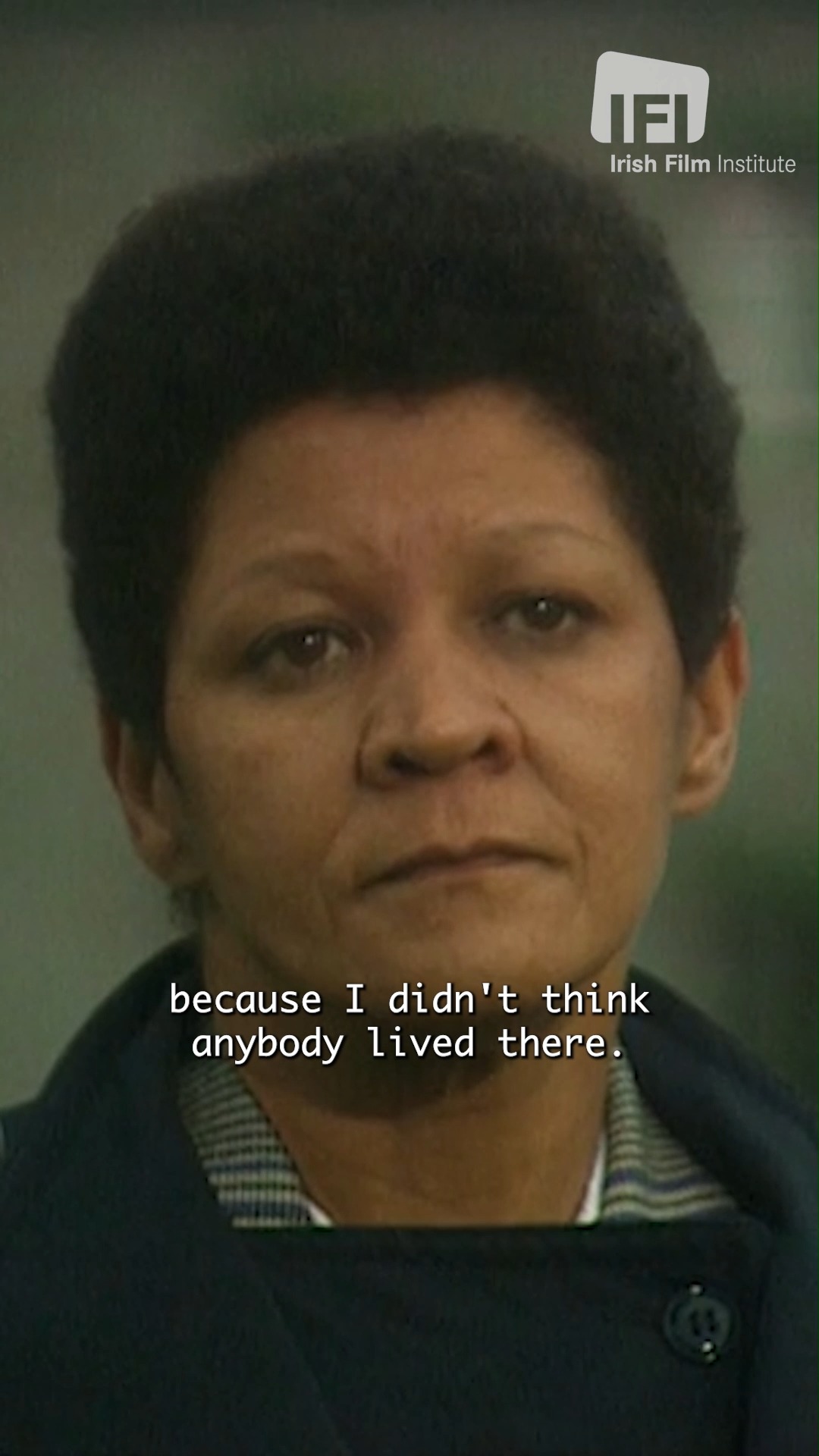
Christine Buckley: From Orphanage Abuse to Finding Her Father
The human spirit’s capacity for resilience in the face of profound adversity is often best illustrated through the stories of those who have journeyed through darkness to find light. One such compelling narrative belongs to Christine Buckley, a woman whose early life was marred by the horrors of institutional abuse, but who ultimately found a profound sense of belonging in the most unexpected way. Her story, powerfully captured in Louis Lentin's seminal documentary, Dear Daughter, serves as a testament to the enduring search for identity and the healing power of truth.
Christine Buckley's life began under circumstances often shrouded in societal judgment. Born in Dublin in the late 1950s, she was the result of an affair between a married Irish woman and a Nigerian student. At just three weeks old, she was given up for fostering, a common fate for children born outside of conventional family structures at the time. After a series of foster homes, Christine, at the tender age of four, was consigned to Goldenbridge, an orphanage run by the Sisters of Mercy. It was here that her childhood, and that of countless others, was systematically stripped away, replaced by a brutal regimen of physical and mental cruelty that would haunt her for decades.
The Shadow of Goldenbridge: A Childhood Forged in Cruelty
Goldenbridge industrial school was far from the sanctuary a child deserved. Christine Buckley, along with other young girls, endured a childhood marked by deprivation and systemic abuse under the guise of care. The documentary Dear Daughter, originally broadcast in 1996 and re-aired years later after Christine's passing in 2014, unflinchingly laid bare these shocking realities. The women, as adults, recounted harrowing tales that defied belief, yet were undeniably true.
Memories of daily beatings, often for minor infractions, were commonplace. Scaldings, another form of corporal punishment, left not only physical scars but also deep emotional wounds. Perhaps most disturbing were the accounts of infants being strapped to potties for extended periods, a cruel practice that disregarded their basic human dignity. The children were also exploited for labour, forced to meet demanding quotas such as making sixty sets of rosary beads daily – a task meant to instill piety but which instead bred resentment and exhaustion. One particularly poignant recollection involved a child breaking a statue of the Virgin Mary and being made to stand in the statue's pose overnight as punishment, a chilling illustration of the psychological torment inflicted.
Louis Lentin's documentary expertly utilized dramatizations and re-enactments by the adult survivors to bring these memories to life, allowing viewers to grasp the visceral reality of their past. The enduring impact of Goldenbridge on these young lives cannot be overstated. It fostered a deep sense of worthlessness, fear, and a profound yearning for the love and acceptance that was so cruelly denied. The institution became a symbol of the broader failings of Ireland's residential care system, where vulnerable children were often subjected to unimaginable suffering. To delve deeper into the systemic horrors of these institutions, read The Raw Truth: Goldenbridge Horrors in Dear Daughter Revealed.
The Quest for Identity: A Mother's Painful Rejection
For Christine Buckley, the echoes of her traumatic childhood manifested in a burning desire to understand her origins. "I wanted to find my parents and kill them," she confessed at the opening of Dear Daughter, a stark reflection of the deep-seated anger and unresolved pain she carried. This raw sentiment fueled her decades-long quest for truth and identity. After leaving Goldenbridge, completing her Leaving Certificate, and pursuing a career in nursing in Drogheda, Christine married in 1977. However, it was after an illness in 1983 that her profound search for her birth parents truly began.
The journey to trace her mother was arduous and emotionally charged. For years, Christine had held onto an idealized vision of this reunion – a warm embrace, shared stories, perhaps even coffee and conversation in a place like Bewley's. The reality, however, was brutally shattering. When she finally met her biological mother, the connection Christine yearned for simply wasn't there. Her mother, perhaps out of shame or an inability to confront the past, wanted no part of her. "There was nothing about her I recognised," Christine painfully recalled. "I had looked forward to this day and I thought that we would be able to become friends... as I looked at this woman I knew it could never be like this." This rejection, while deeply painful, was a testament to Christine's courage in facing an truth, no matter how unwelcome. It underscores the complex dynamics of adoption and abandonment, where the expectations of the adoptee often clash with the reality of the birth parent's capacity or willingness to connect.
A Father Found: The Embrace of "Dear Daughter"
Despite the crushing disappointment of her encounter with her mother, Christine Buckley's resolve to unearth her full story remained unbroken. To trace her father, she needed her mother’s permission for his name to be released – a bittersweet hurdle given their fraught reunion. Remarkably, a year after their meeting, the permission was granted, opening a new chapter in Christine's quest. The subsequent search led her across continents, ultimately tracing her father back to his home country of Nigeria, where he had become a respected doctor.
The moment of contact, though initially through correspondence, brought an unexpected and profound sense of peace. The very first letter Christine received from him opened with two simple yet powerful words: "Dear daughter." It was these words, brimming with recognition and acceptance, that not only gave Louis Lentin's documentary its poignant title but also provided Christine with the affirmation she had been denied for so long. This letter wasn't just a communication; it was an embrace across time and distance, a balm for decades of abandonment and institutional neglect. It marked a pivotal moment in her healing journey, offering a sense of belonging and identity that no amount of material comfort could provide. The phrase "Dear daughter Christine Buckley" encapsulates this ultimate triumph of identity and connection over a life of early hardship.
Beyond Personal Healing: A Legacy of Advocacy
Christine Buckley's story, however, did not end with her personal reconciliation. Her harrowing experiences and subsequent quest for truth transformed her into a formidable advocate for change. She channeled her pain into purpose, becoming a tireless campaigner on behalf of thousands of others who had survived institutional abuse in Ireland. Her unwavering courage in speaking out, particularly through Dear Daughter, played a crucial role in breaking the silence surrounding the dark history of Irish industrial schools and orphanages.
Christine’s activism, alongside that of other survivors, brought the issue of historical institutional abuse to the forefront of national consciousness. Her work was instrumental in pressuring the Irish State to acknowledge its complicity and responsibility. In 1999, the then Taoiseach Bertie Ahern issued a landmark apology on behalf of the State to all who had suffered in residential institutions as children – a direct result of the relentless campaigning by survivors like Christine. Her efforts paved the way for investigations, redress schemes, and a national reckoning with a painful past. Christine Buckley, who sadly passed away in 2014 after a battle with cancer, left behind an indelible legacy as a voice for the voiceless, a champion for justice, and a symbol of hope for future generations. Her advocacy helped ensure that the phrase "Dear Daughter Christine Buckley" would be remembered not just for a personal journey, but for a nationwide movement for truth and healing. To learn more about her tireless fight, explore Dear Daughter: Christine Buckley’s Fight Against Goldenbridge Abuse.
Insights and Lessons from Christine's Journey
- The Power of Truth-Telling: Christine Buckley's story, amplified by Dear Daughter, demonstrates the immense power of survivors sharing their truth. It’s a crucial step not only for personal healing but for societal accountability and preventing future abuses.
- Resilience in Adversity: Her journey from the trauma of Goldenbridge to finding her father, and then advocating for others, is a testament to the extraordinary resilience of the human spirit. It highlights the capacity to turn pain into purpose.
- The Importance of Identity and Belonging: Christine's relentless search for her parents underscores the fundamental human need to know one's origins and to feel a sense of belonging. The simple words "Dear daughter" offered a profound validation of her existence.
- Societal Accountability: Her activism led to a national apology, illustrating how individual stories can catalyze significant societal and political change, forcing institutions and governments to confront their past failings.
- Empathy and Understanding: Her narrative encourages greater empathy for those who have experienced trauma and institutionalization, fostering a more compassionate understanding of their long-term struggles.
Christine Buckley’s life was a powerful narrative of survival, resilience, and advocacy. From the desolate corridors of Goldenbridge to the profound acceptance conveyed by her father's letter, her journey is a beacon of hope. The documentary Dear Daughter immortalizes her story, ensuring that the legacy of Christine Buckley, her fight against abuse, and her ultimate discovery of identity continue to inspire and remind us of the enduring strength found in seeking truth and embracing one's own narrative.